Non-fungible tokens (NFTs) are at the vanguard of the fashion industry so anyone with a walk-in closet better listen up. Digital clothing might soon have more worth than anything material hanging in there. And as NFTs become more and more mainstream, fashion brands will have no choice but to enter the game (and I mean that literally-have you played Louis Vuitton Endless Runner?)
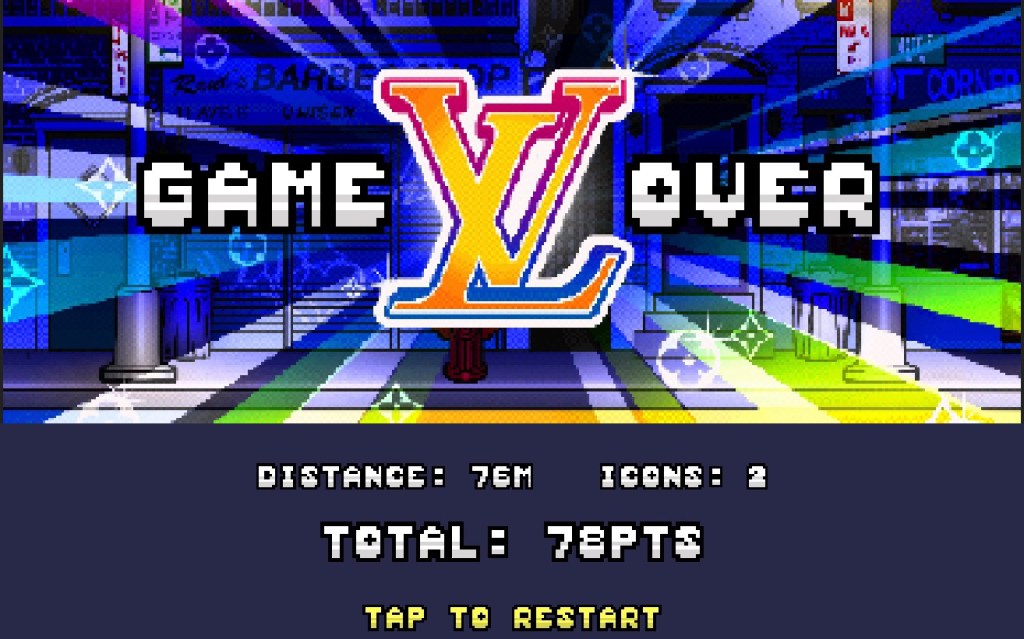
The metaverse we all once cringed over is becoming the new normal; the most favorable brands have begun to enter the NFT market to create their own digital wardrobes.
Virtual Realities exist in the metaverse, digital spaces that mimic real life. Just like real life, people are going to want different digital outfits to wear each day.
There are events and environments for different users to interact, the entire metaverse is focused on digital social interaction. Soon, you’ll need to buy a new virtual wardrobe to match your virtual lifestyle.
The fashion industry has already begun planning for the digital wear demand, with virtual fashion shows. So saying things like, “Can my avatar get an invite to the 3D metaverse fashion week?” won’t actually sound so ridiculous. In fact, a virtual fashion week is coming to the metaverse in March.
The metaverse is showing up to be one of the biggest media forms for brands to advertise their collections. Digitally produced clothing can minimize the number of physical prototypes used in collection promotion. Brands such as Ray-bans, Tommy Hilfiger, and Calvin Klein give you the option of “virtual try-on”, promoting the fact that clothes will automatically tailor to your avatar’s body.
But, perhaps the most intriguing brand to emerge from NFT fashion is DressX, a website that allows users to send in pictures or videos of themselves to have the digital clothes they buy fitted onto their person. And no, not like Yves Saint Laurent’s virtual lipstick try-on. Purchases from DressX never ship home to you; you stay dressed in an entirely digital world.
DressX stands behind their mission, sending a message on sustainability because “Production of a digital garment emits 97% less of CO2 than production of a physical garment.”
Listen, I am all for sustainability but the creative protection that comes with NFT clothing is really what sold me.
An NFT is a unique token that is created to exist on a recording system called a Blockchain. Blockchains make replication impossible. This allows NFT customers to be confident that they are not being cheated. It also allows for designers to be confident that their goods are in fact unique.
Harvard Business Review has estimated that the real-world market for physical luxury knock-offs is a $4.5 trillion business. In the NFT world, luxury brands and other creators have better protection against infringement.
Knock-off products not only harm business but also the reputation of proud luxury brands. Gucci belts became way less attractive once nobody could tell the difference between the ones coming from Italy versus the faux coming from Amazon.
Now, Gucci has officially joined Prada, Cartier, and Louis Vuitton in the digital world; already spearheading the market with a Superplastic collaboration. With the impossible heist of counterfeiting Suppergucci, I don’t see that $4.5 figure staying in the trillions for long.
Basically, If you’re interested in pitching up a meta-walk in closet, I’d get started soon because the luxury NFT drops are not going to stop.

 Legally Beau Monde